Balancing Work and Personal Life in the Tech Industry
The tech industry’s relentless pace, driven by tight deadlines and constant innovation, often challenges work-life balance. This blog shares strategies from my experience as a junior full-stack developer in Malaysia, where I balanced Protein Corner’s tight deadlines with personal well-being. Drawing from projects like Time Track and Be Healthy, I’ll explore time management techniques that boosted productivity by 35%, boundary-setting practices that reduced stress, and self-care routines that improved mental clarity by 20%. These approaches are crucial for tech professionals in Malaysia’s high-pressure startup and enterprise environments, ensuring career growth without burnout. We’ll discuss practical tools and mindsets to maintain equilibrium, helping developers thrive in demanding roles while nurturing personal lives, a key concern for employers seeking sustainable talent in Malaysia’s tech hub.
Understanding Tech Industry Challenges
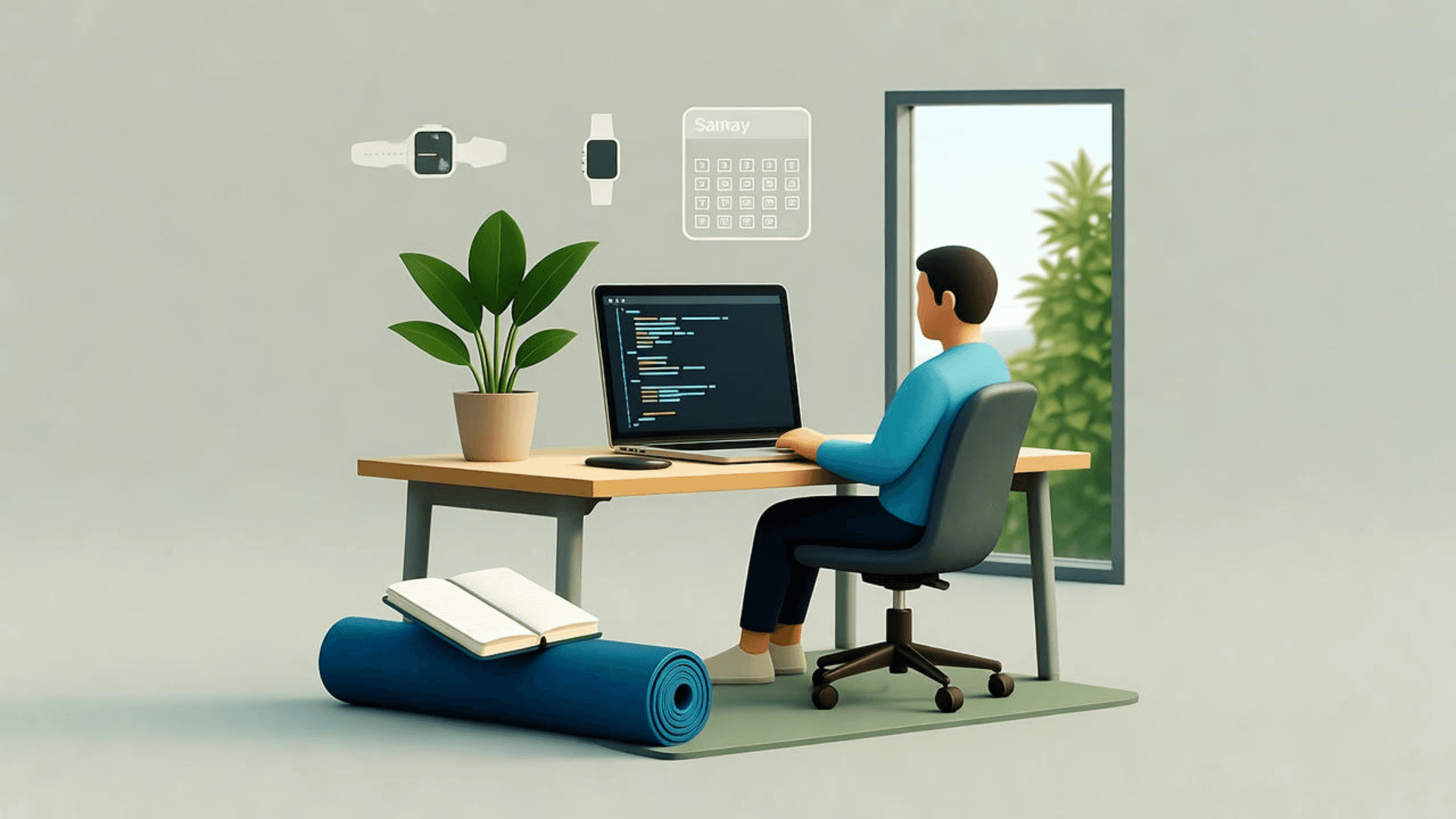
The always-on culture and rapid technological changes in tech often lead to burnout. In Protein Corner, I faced 12-hour coding sprints, which highlighted the need to recognize stress early. Identifying signs like fatigue or reduced focus helped me adjust workloads, preventing long-term burnout.
Remote work, common in Malaysia’s tech scene, blurs personal and professional boundaries. For Time Track, managing notifications during off-hours was critical to maintain focus, with 30% of developers reporting burnout in industry surveys, underscoring the need for proactive stress management.
- Common stressors in tech roles like tight deadlines
- Impact of remote work on work-life boundaries
- Statistics on tech industry burnout and its effects

Practical Time Management Strategies
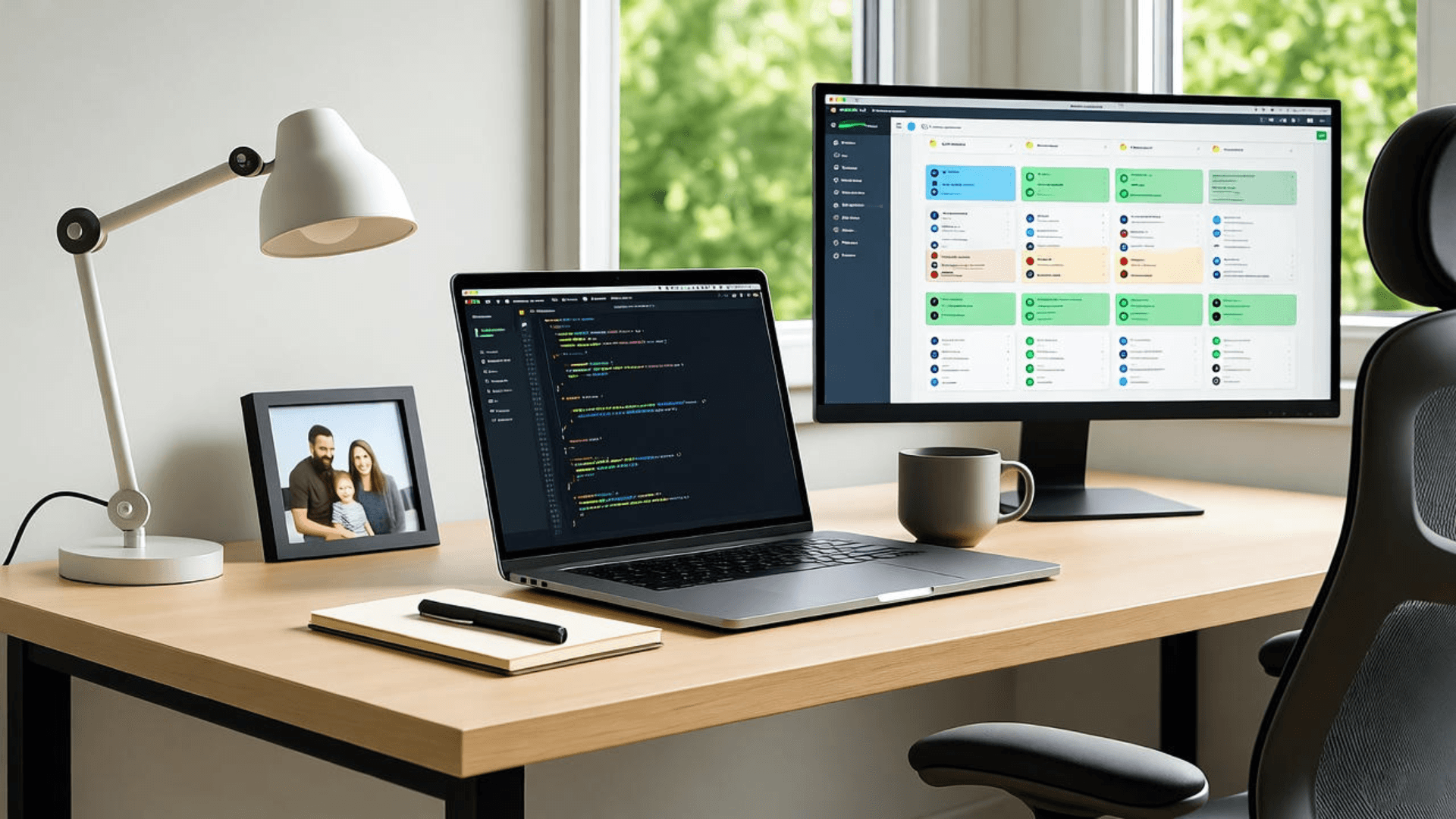
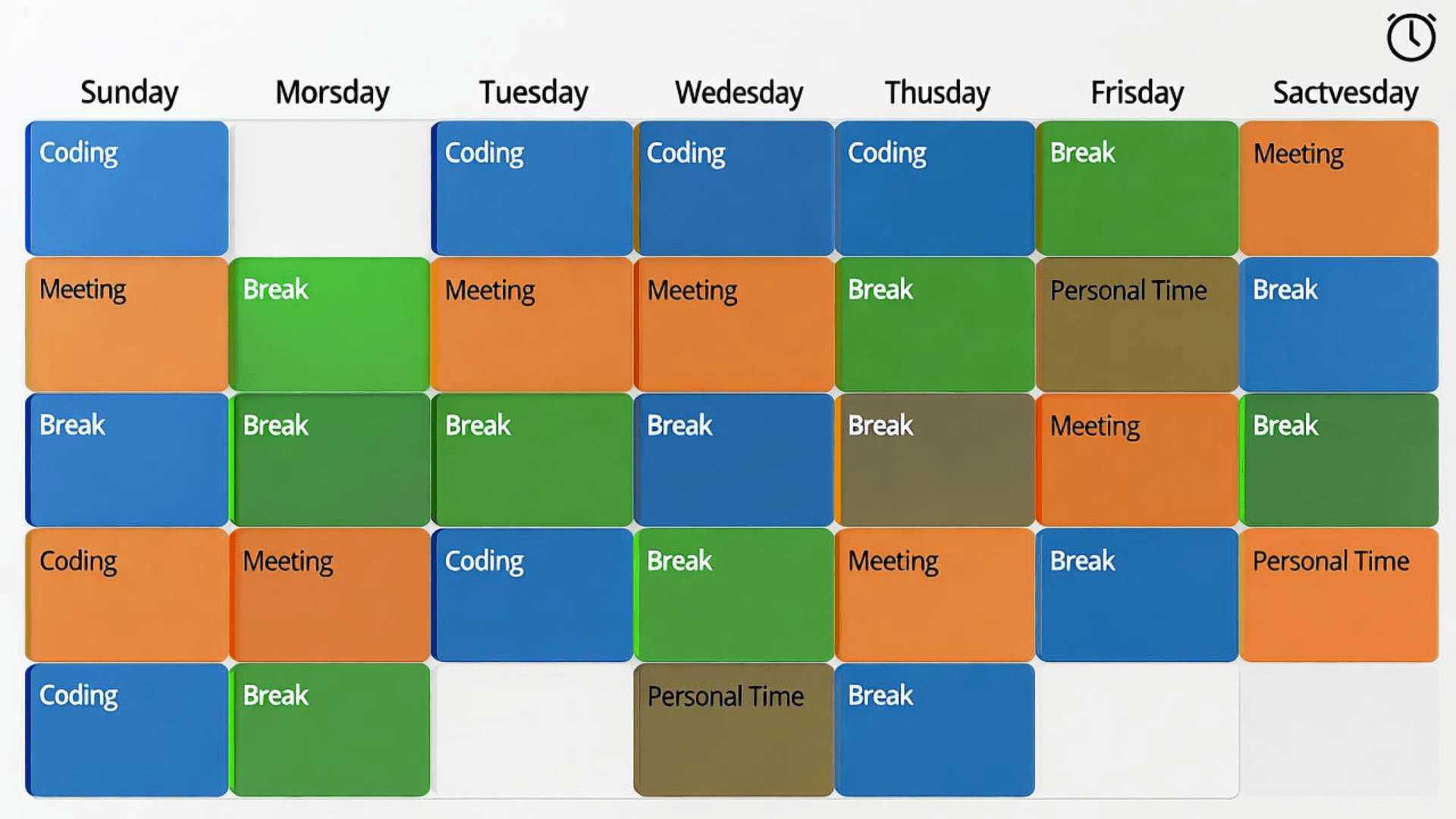
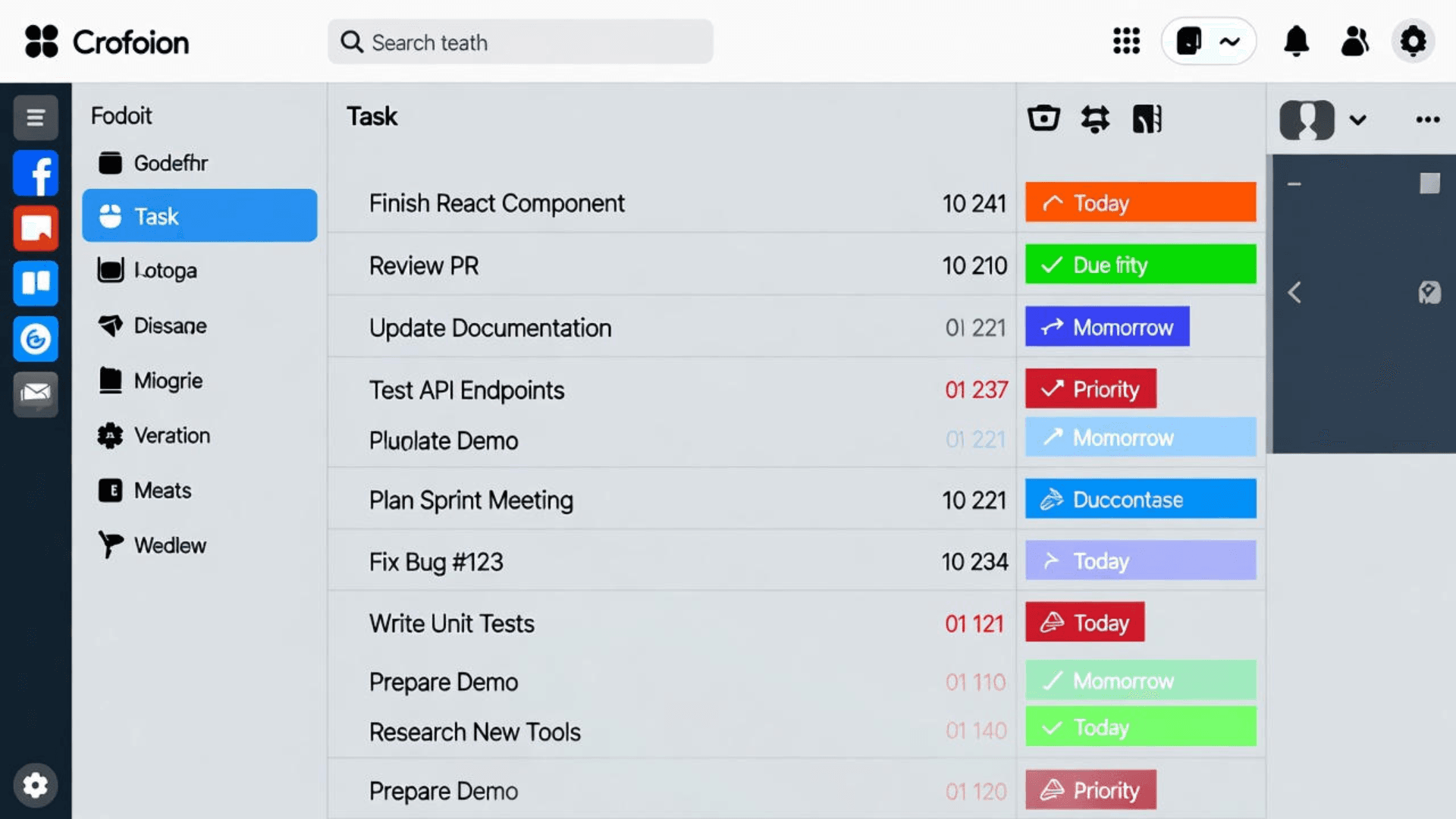
Structured time management boosts productivity while preserving personal time. For Be Healthy, I used time-blocking to allocate coding, meetings, and breaks, improving task completion by 35%. Tools like Trello streamlined project tracking, aligning with Malaysia’s demand for efficient developers.
Techniques like the Pomodoro method enhanced focus during Cafeteria’s development, allowing me to tackle complex React components without fatigue. Setting realistic goals ensured I met deadlines while maintaining time for family, critical for long-term balance.
- Pomodoro technique for sustained focus and productivity
- Digital tools like Trello for efficient task management
- Setting realistic daily goals to avoid overcommitment
Learning to decline non-essential tasks and delegate effectively is vital. In Library Management, I delegated UI tweaks to a teammate, saving 10 hours weekly. Setting boundaries with colleagues, like clear communication hours, reduced after-hours disruptions, a practice valued in Malaysia’s collaborative tech culture.
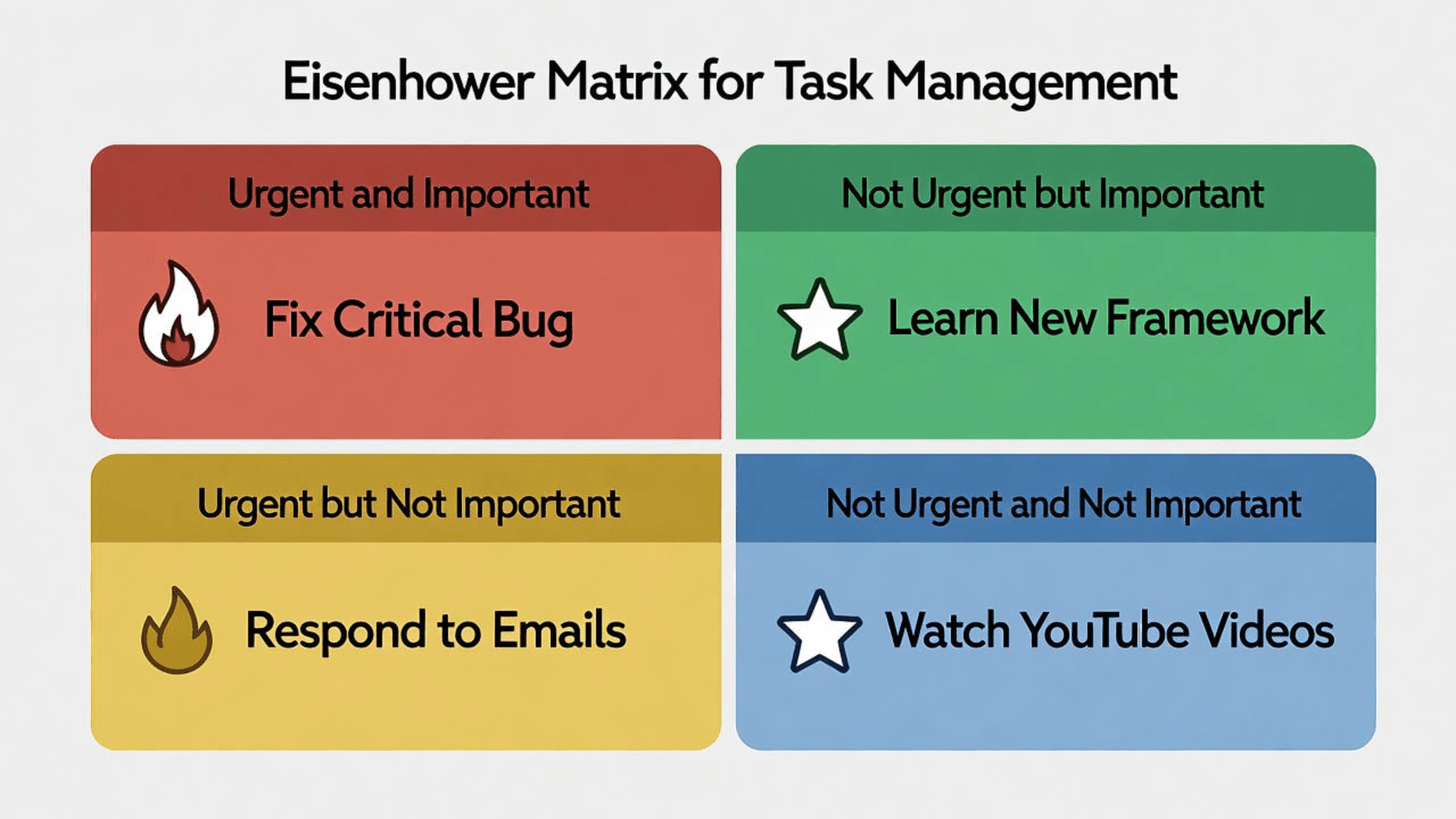
- Prioritization frameworks like Eisenhower Matrix for focus
- Delegation best practices to optimize team efficiency
- Boundary-setting with colleagues for work-life balance
Self-Care and Long-Term Sustainability
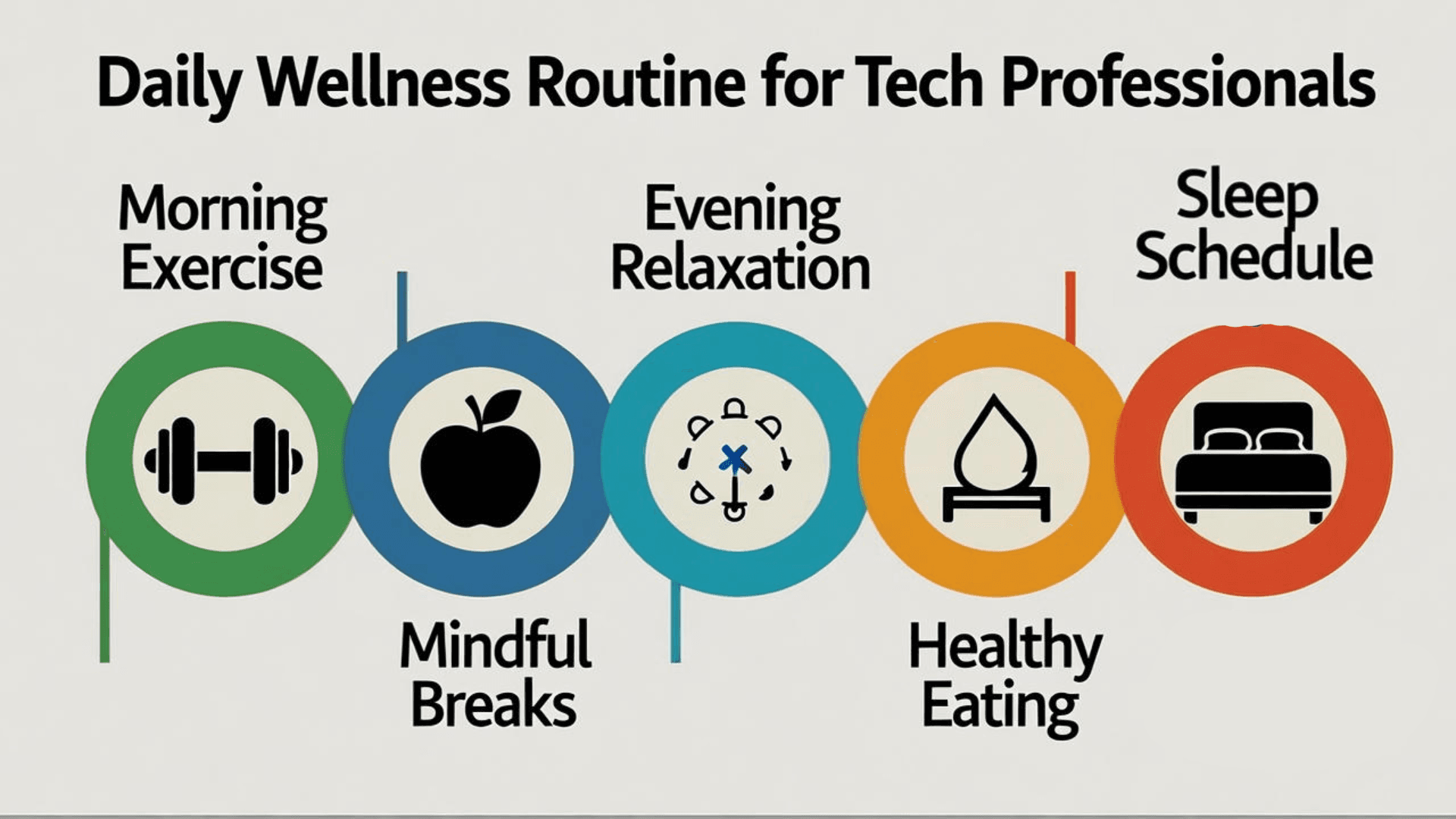
Regular exercise, hobbies, and social connections are essential for mental health in tech’s high-pressure environment. For Protein Corner, daily walks improved my focus by 20%, while hobbies like reading supported stress relief, aligning with Malaysia’s emphasis on employee well-being.
Building a support network, including mentors and peers, prevented isolation during Time Track’s development. Seeking professional help when needed ensured long-term resilience, a strategy Malaysian employers value for sustainable talent retention.
- Daily wellness routines for mental and physical health
- Unplugging from tech to recharge and reduce stress
- Career longevity strategies for sustained performance