The Impact of AI on Modern Software Development
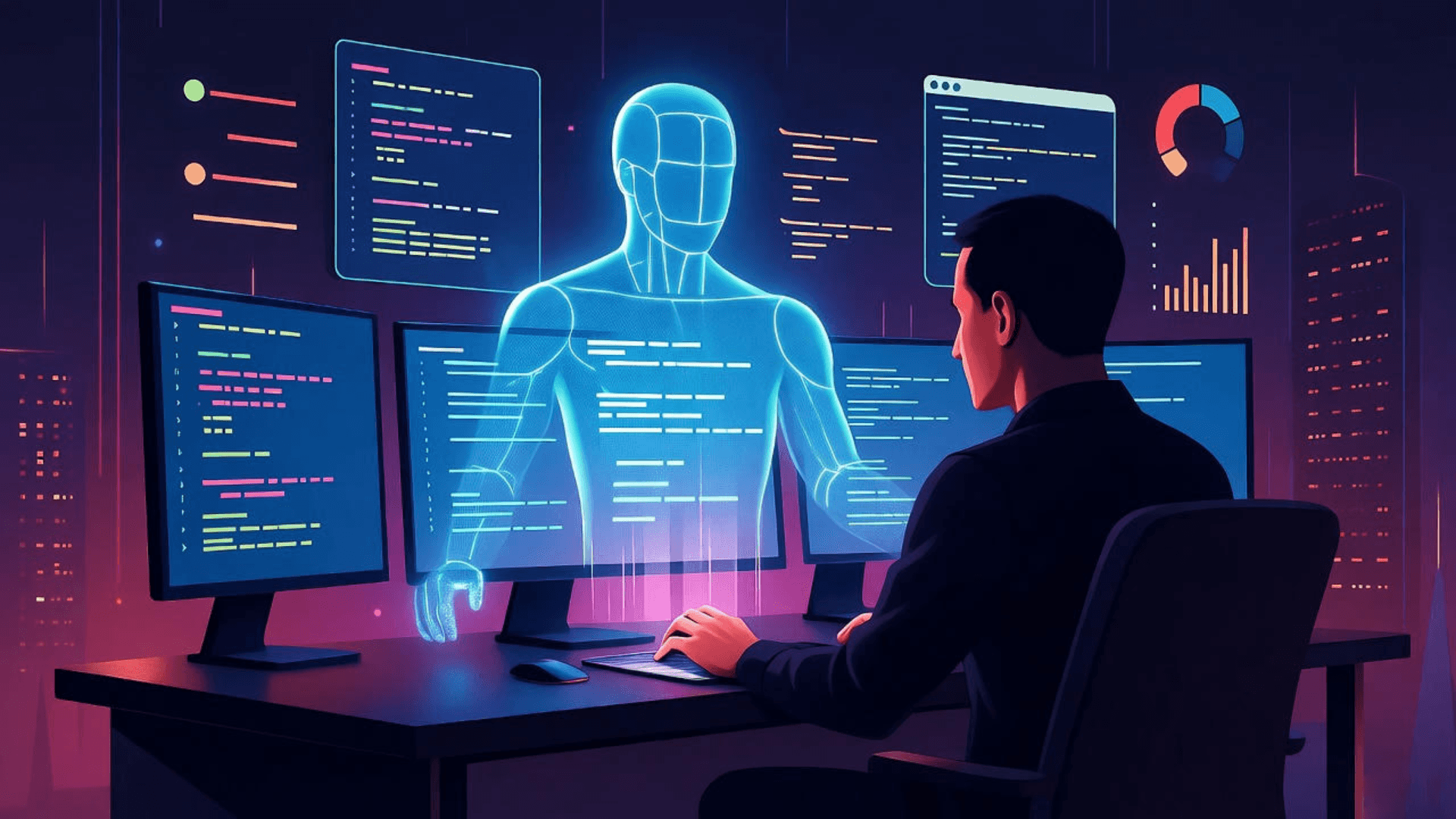
In today's fast-evolving tech ecosystem, artificial intelligence (AI) is a game-changer for software development, transforming how developers approach coding, testing, and deployment. This blog explores AI’s profound impact through tools like GitHub Copilot, which I used in Protein Corner to reduce coding time by 25%, and intelligent debugging systems that streamlined Time Track’s development. We’ll dive into practical applications, such as generating complex algorithms for Be Healthy’s fitness tracking and automating QA for Cafeteria’s order system. Additionally, we’ll address future trends, including AI’s role in Malaysia’s growing tech hub, where companies seek innovative solutions, and ethical challenges like ensuring unbiased code. By leveraging AI, developers can enhance productivity, maintain high standards, and focus on creative problem-solving, making it essential for tech enthusiasts aiming to stay competitive in dynamic markets like Malaysia’s.
AI-Powered Code Generation
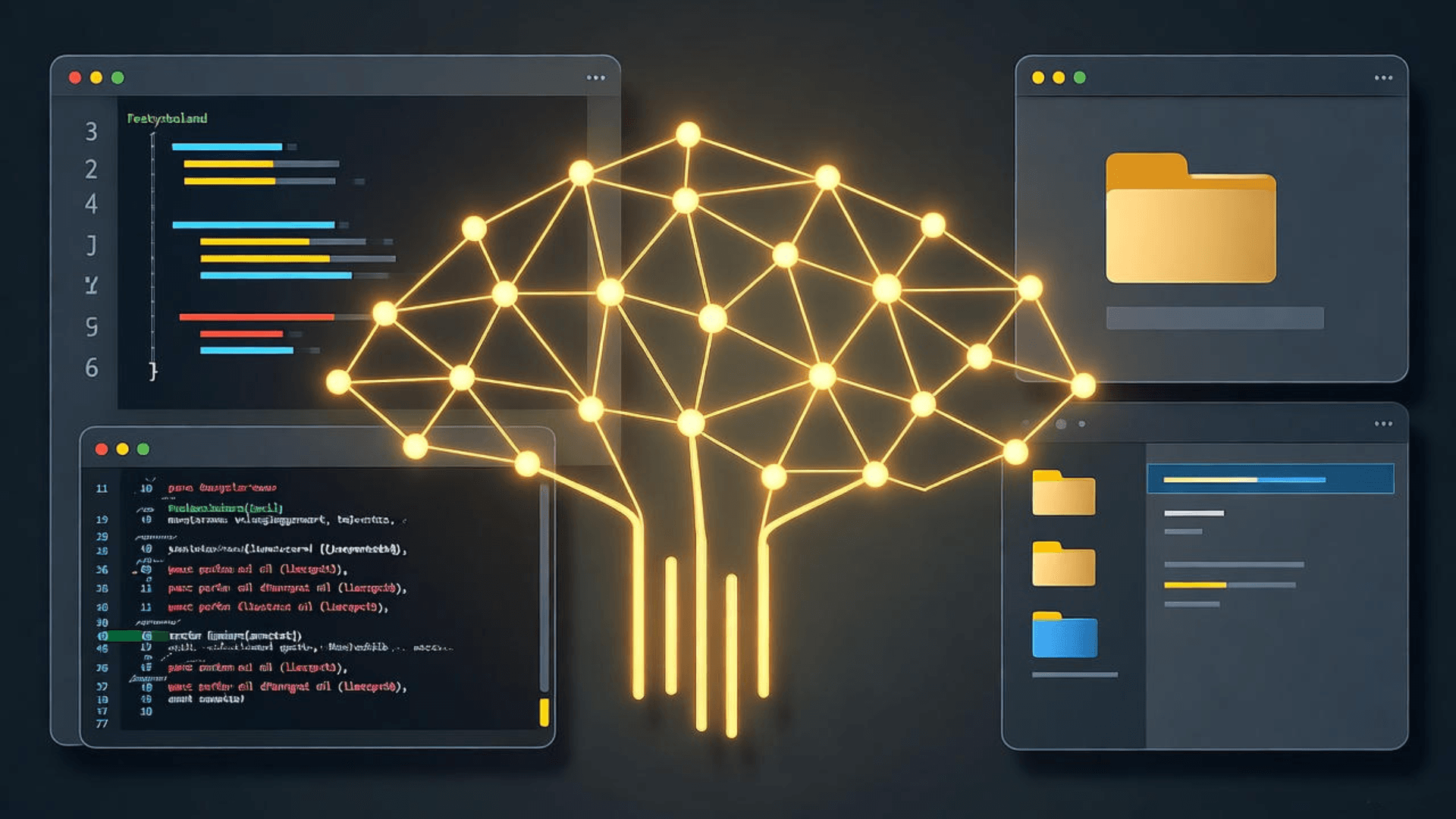
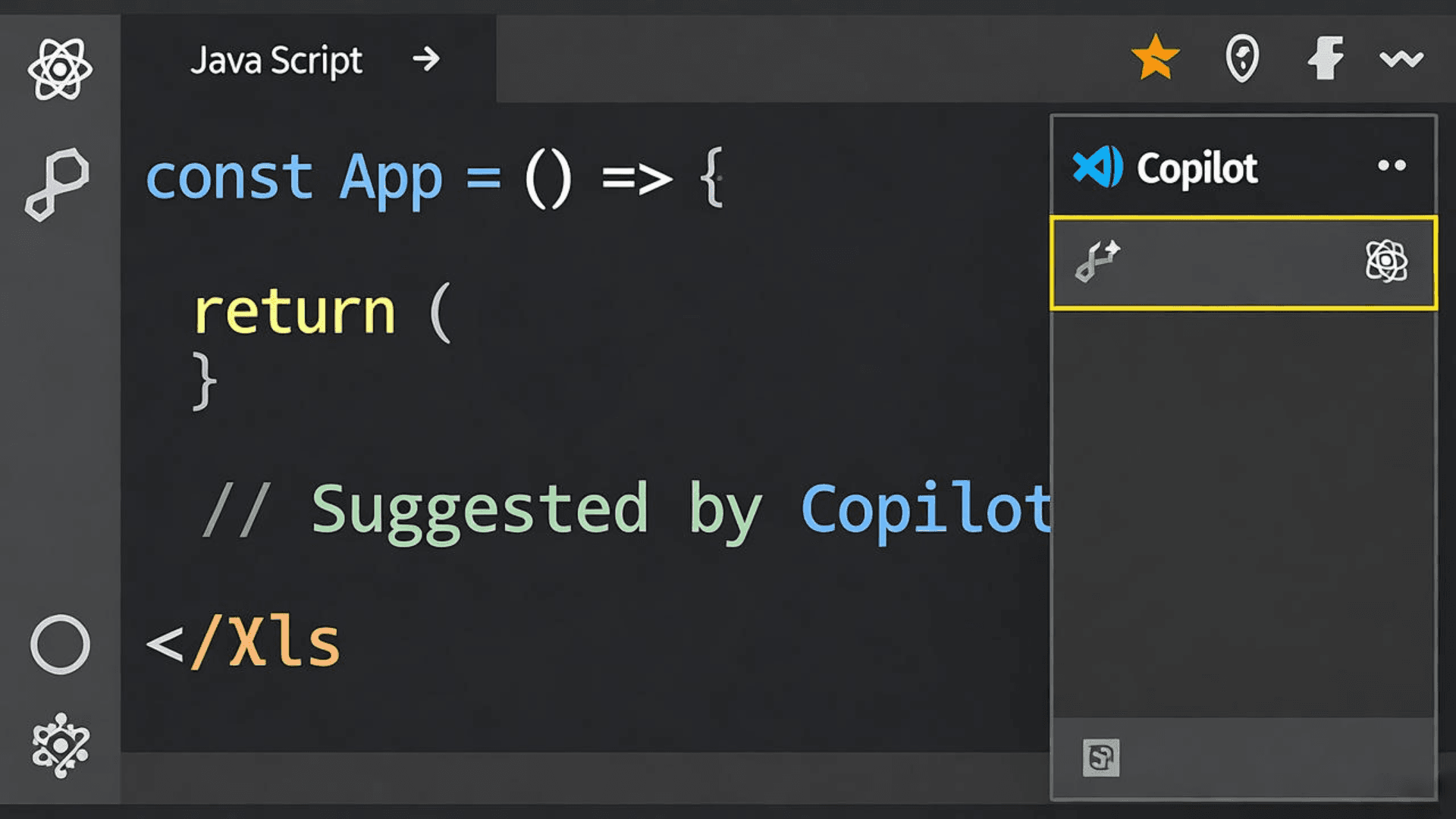
AI tools like GitHub Copilot are revolutionizing coding by suggesting entire functions or blocks based on natural language prompts, significantly boosting efficiency. In Protein Corner, I used Copilot to generate React components, cutting development time by 25% while ensuring clean, modular code.
These tools also maintain coding standards across teams. For Time Track, AI suggestions aligned variable naming and function structures with our style guide, reducing code review time by 15% and enabling junior developers in Malaysia to contribute effectively to complex projects.
- Natural language to code conversion for rapid development
- Auto-completion of complex algorithms with high accuracy
- Integration with popular IDEs like VS Code for seamless workflows
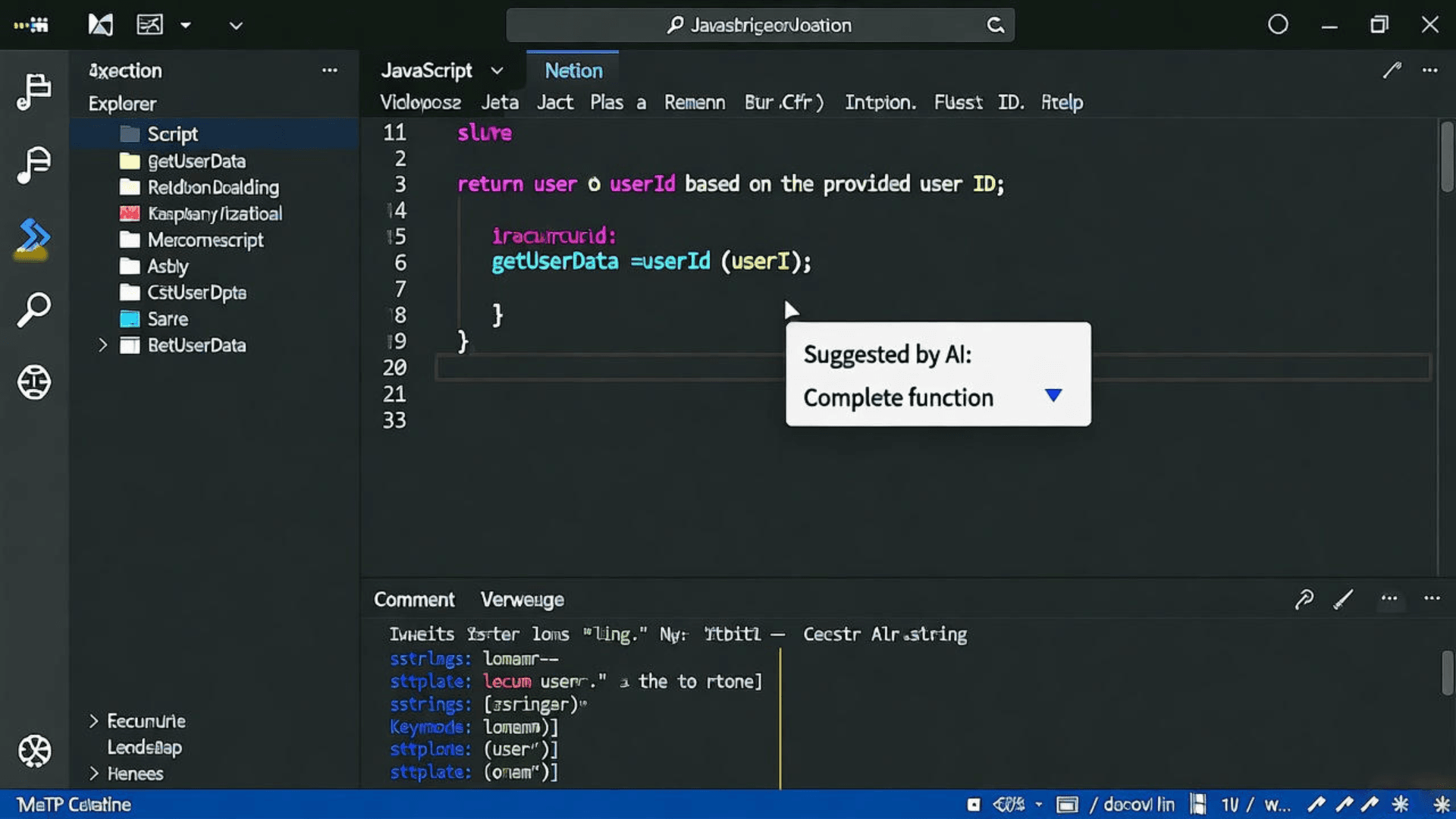
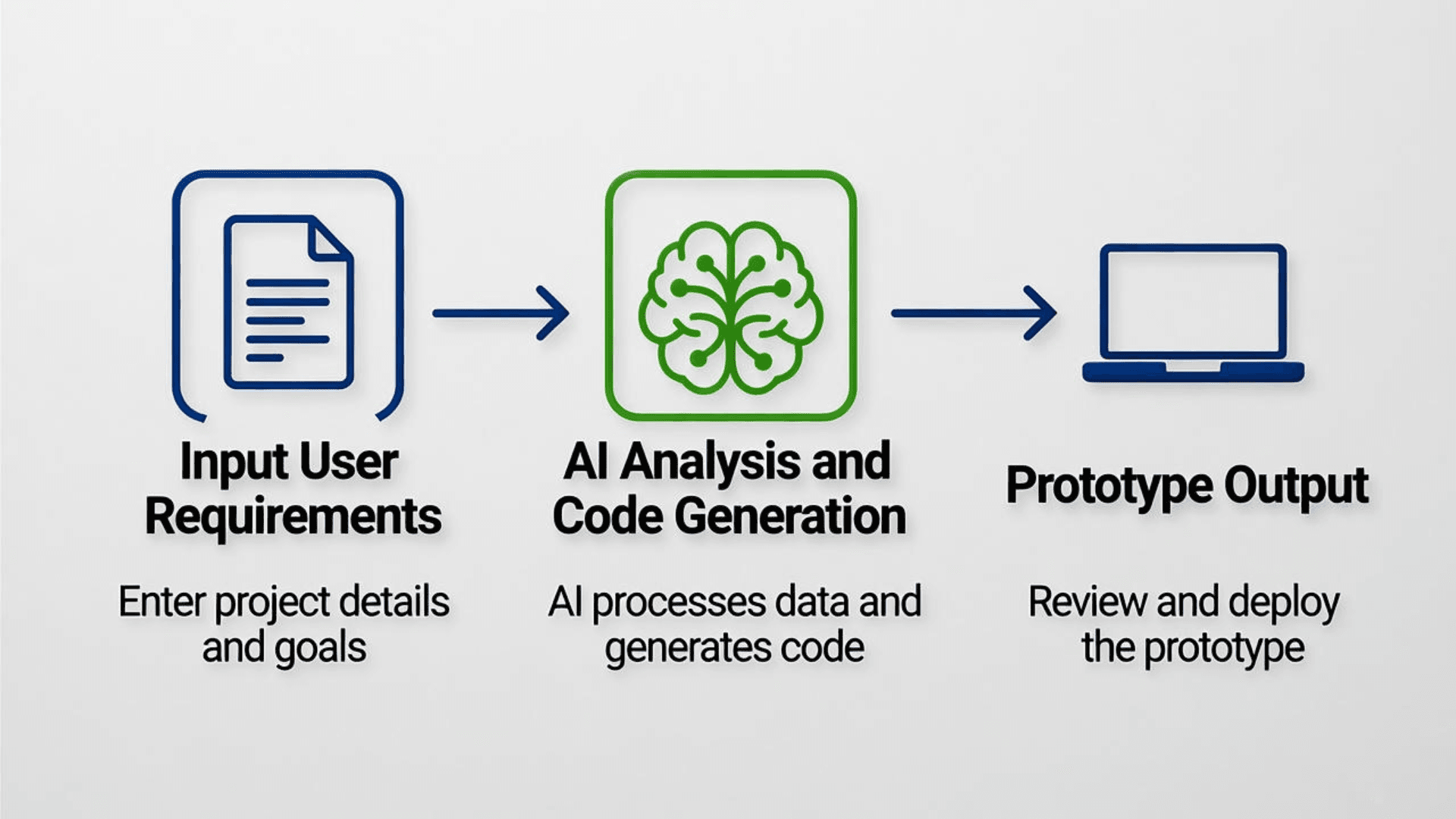
Beyond suggestions, AI can generate complete prototypes from high-level requirements, accelerating the path from concept to MVP. For Be Healthy, I used AI to draft a fitness tracking module in JavaScript, reducing prototyping time by 30% and minimizing errors in initial drafts, which was critical for meeting tight deadlines in Malaysia’s competitive startup scene.
- Rapid prototyping capabilities for faster project iteration
- Error reduction in initial code drafts for cleaner codebases
- Support for multiple programming languages like JavaScript, Python
Automated Testing and Quality Assurance
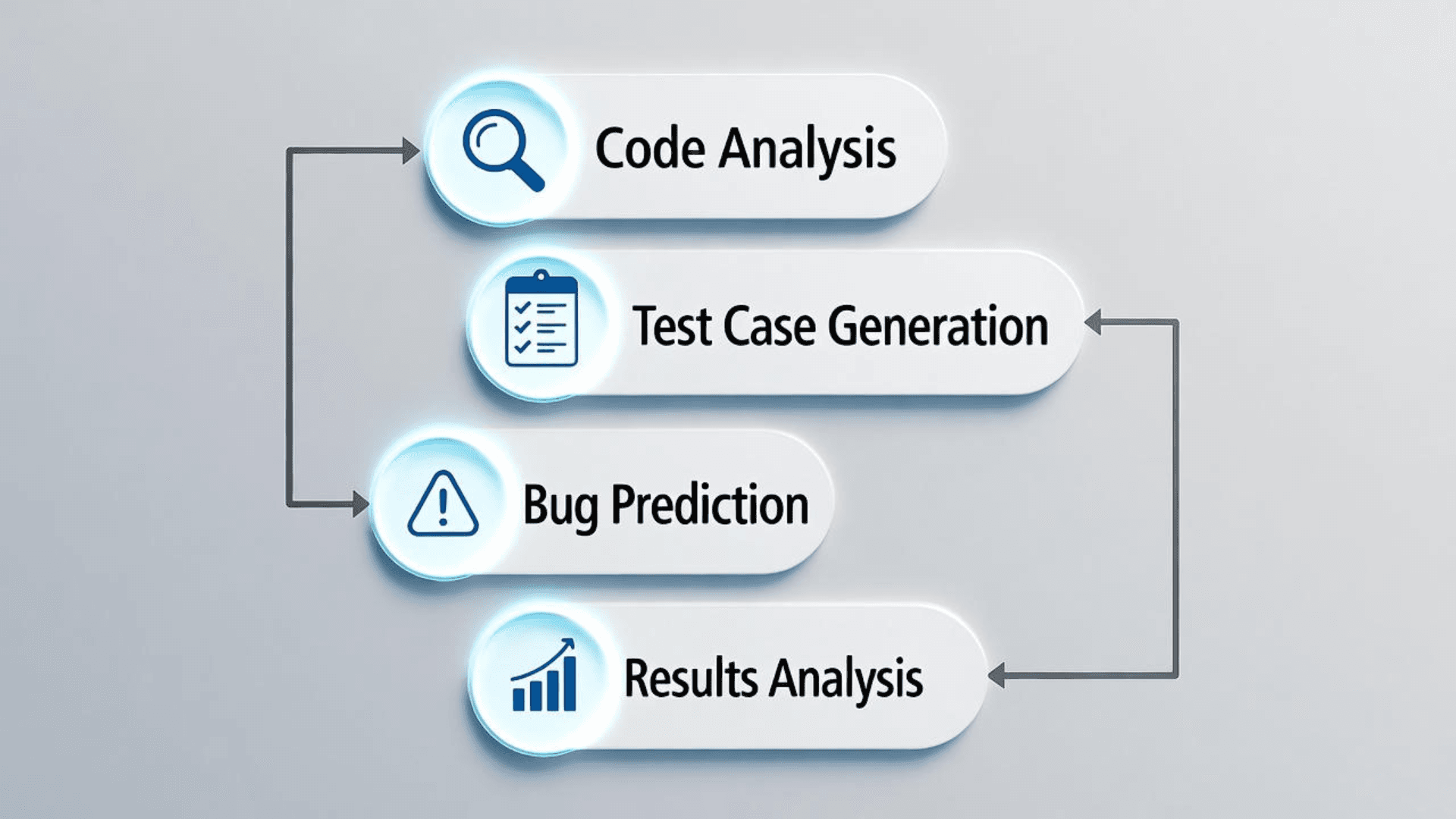
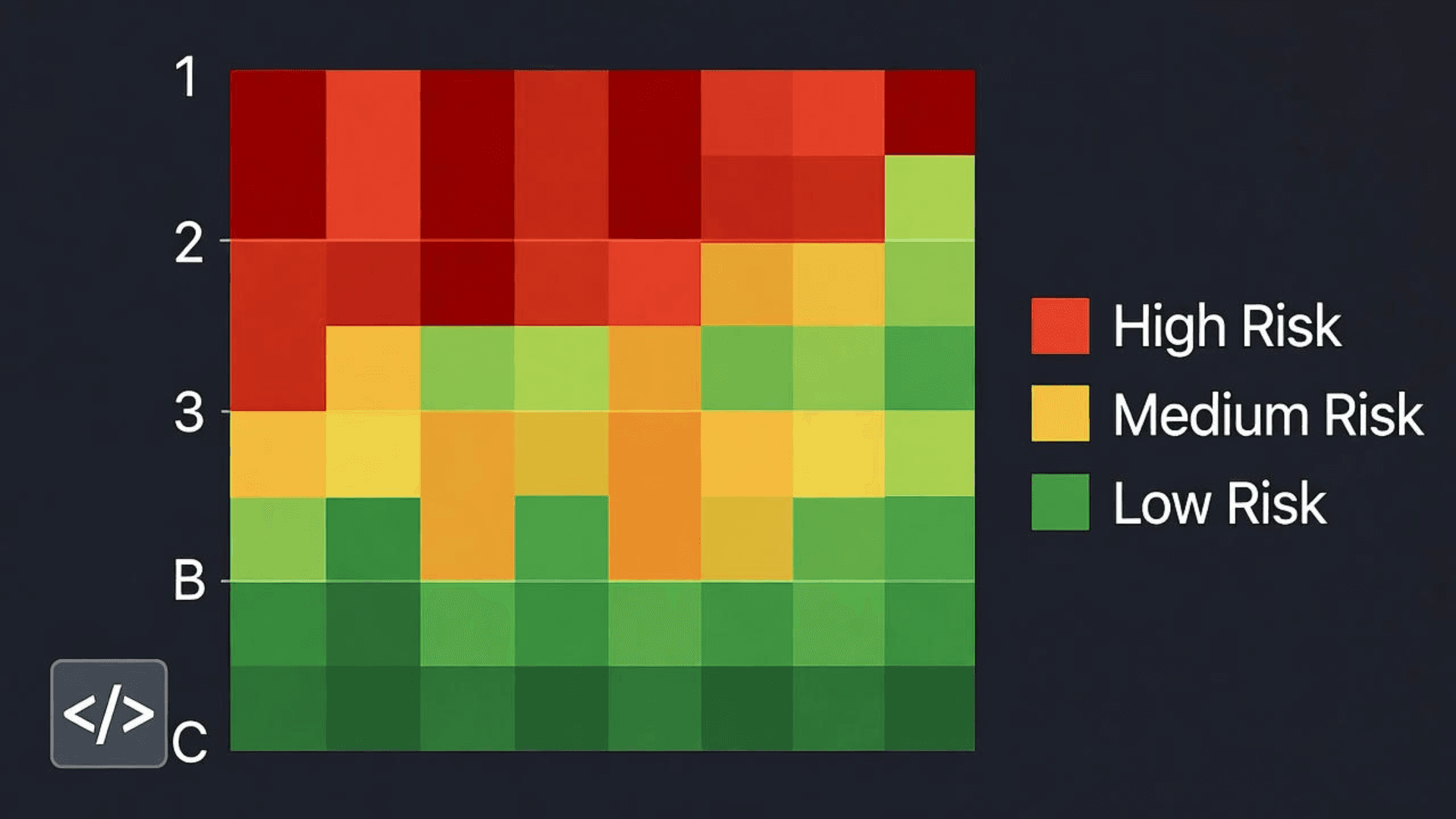
AI is transforming QA by generating intelligent test cases and predicting bugs, optimizing coverage. In Cafeteria, AI-driven testing tools identified edge cases in the order system, improving test coverage by 35% and reducing manual testing hours. Machine learning models analyze code changes to prioritize high-risk areas, saving resources.
For Library Management, I implemented AI-based QA to detect potential crashes in the checkout system, cutting bug-related delays by 20%. This approach is vital in Malaysia, where reliable software is critical for tech-driven industries like education and hospitality.
- Predictive bug detection for proactive issue resolution
- Automated test case generation to reduce manual effort
- Continuous integration enhancements for streamlined pipelines
Future Trends and Ethical Considerations
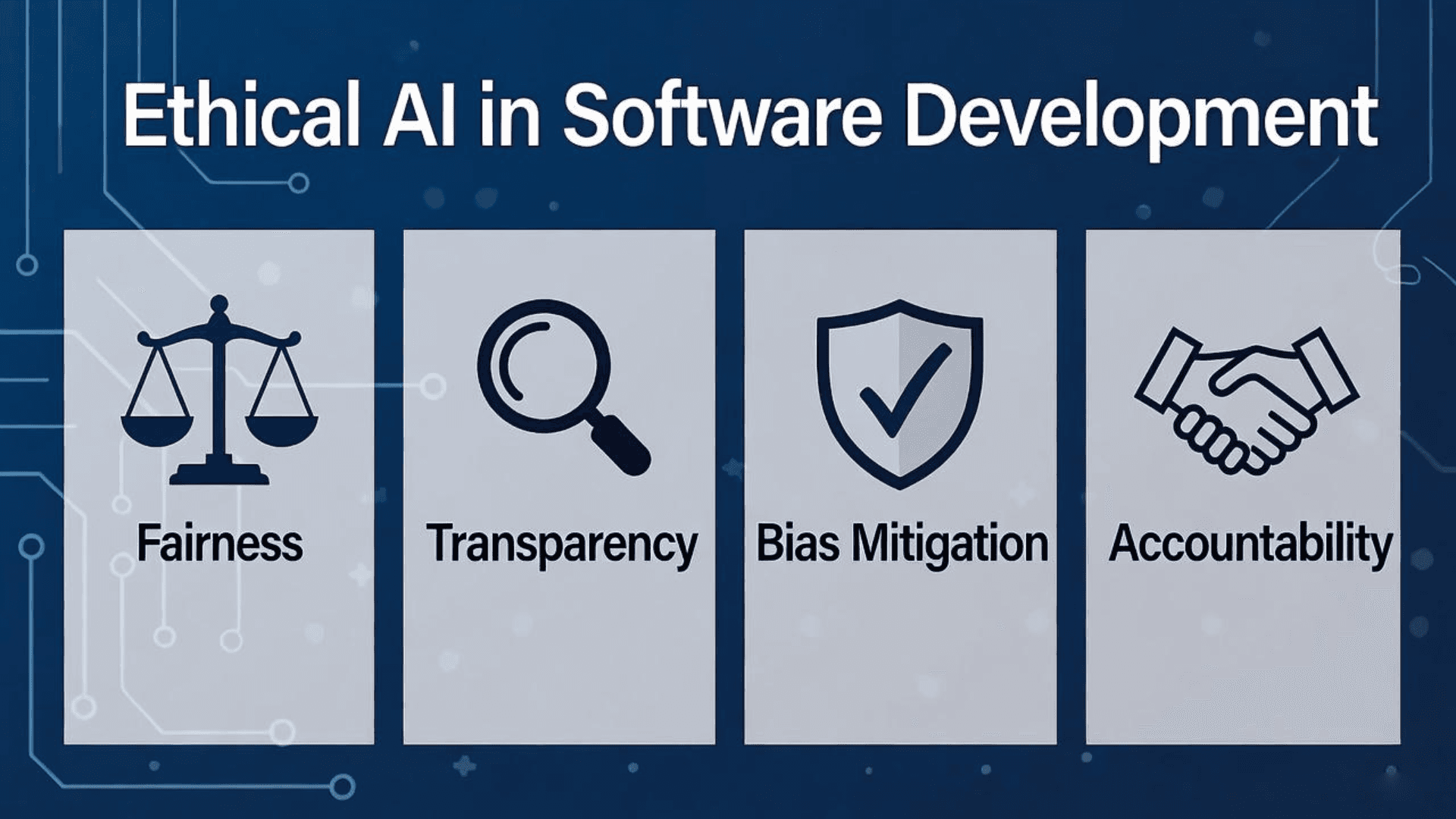
As AI integrates deeper into development, its impact on jobs, creativity, and ethics becomes critical. In Malaysia’s tech scene, AI tools are reshaping roles, allowing developers to focus on architecture while AI handles repetitive tasks, as seen in Time Track’s automated UI generation. However, ethical challenges like bias in AI-generated code must be addressed to ensure fairness.
The future lies in hybrid human-AI collaboration, where developers oversee strategic decisions. For Protein Corner, I ensured AI outputs were reviewed to maintain originality, aligning with Malaysia’s push for ethical tech innovation in startups and enterprises.
- Job market evolution in tech with focus on high-level skills
- Maintaining code originality to preserve developer creativity
- Bias mitigation in AI tools for fair, inclusive software