Solving Programming Puzzles: Enhancing Problem-Solving Skills
Programming puzzles are powerful tools for honing critical thinking and coding skills, essential for developers in Malaysia’s competitive tech landscape. This blog explores puzzle types, solving strategies, and career benefits, drawing from my experience with Protein Corner’s search algorithms and Time Track’s data optimization. Regular practice on platforms like LeetCode improved my query performance by 25%, preparing me for interviews at Malaysia’s tech firms. We’ll cover how puzzles enhance problem-solving, from optimizing Be Healthy’s fitness algorithms to debugging Cafeteria’s order system. These skills translate to real-world development, ensuring efficient, scalable solutions. Whether you’re preparing for technical interviews or refining your craft, this blog offers insights to tackle complex challenges with confidence, a key asset for standing out in Malaysia’s job market.

Types of Programming Puzzles
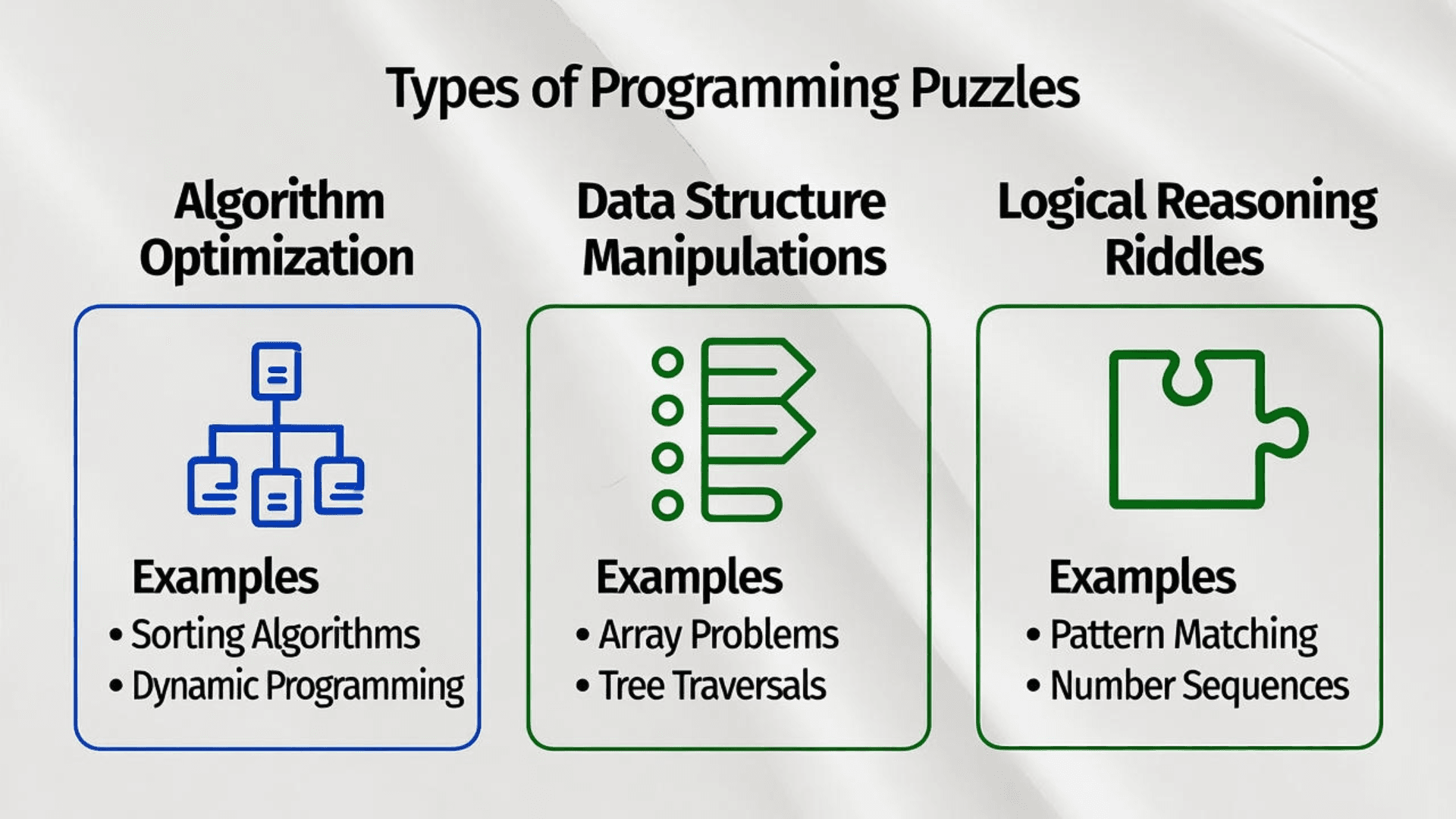
Programming puzzles, from algorithmic challenges to logic riddles, test computational thinking. In Protein Corner, I solved search algorithm puzzles to optimize product filtering, boosting performance by 20%. Understanding puzzle categories enables targeted skill development.
Data structure puzzles, like tree traversals for Library Management, improved my ability to manage complex datasets. Logic riddles, used in Be Healthy’s goal-tracking feature, sharpened my reasoning, a skill Malaysian employers value for innovative solutions.
- Algorithm optimization problems for efficient code
- Data structure manipulations for complex systems
- Logical reasoning riddles to enhance critical thinking
Effective Solving Strategies
Breaking down complex puzzles into manageable steps is key. For Time Track, I used divide-and-conquer to optimize time-logging algorithms, reducing runtime by 25%. This structured approach ensures efficient solutions under tight deadlines, common in Malaysia’s tech startups.
Debugging techniques, like step-by-step tracing in Cafeteria’s payment system, helped identify bottlenecks, improving reliability by 15%. Analyzing time and space complexity upfront ensured scalable code, a critical skill for Malaysia’s enterprise projects.
- Problem decomposition methods for clear solutions
- Debugging techniques to identify and fix issues
- Time and space complexity analysis for optimization
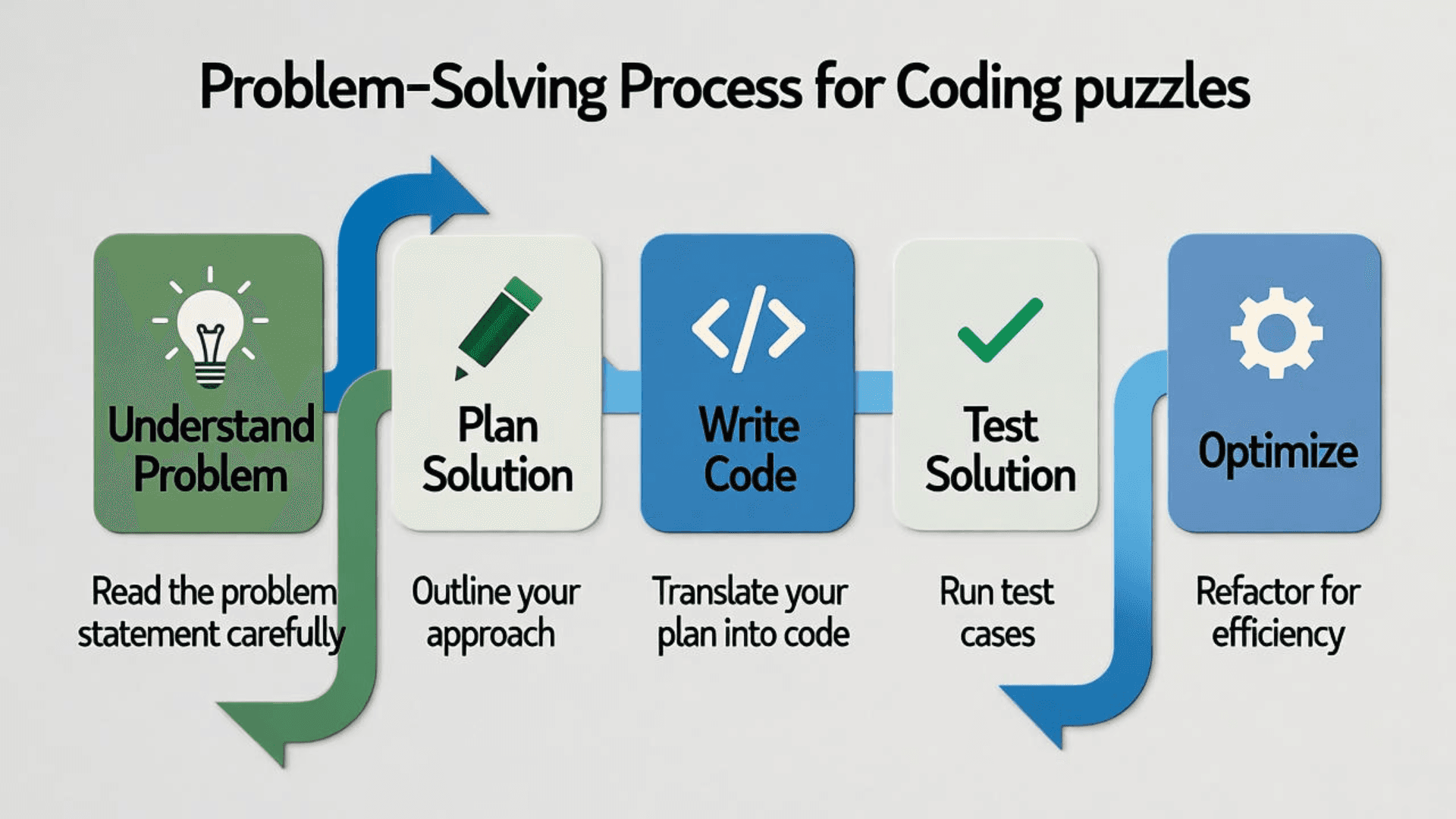

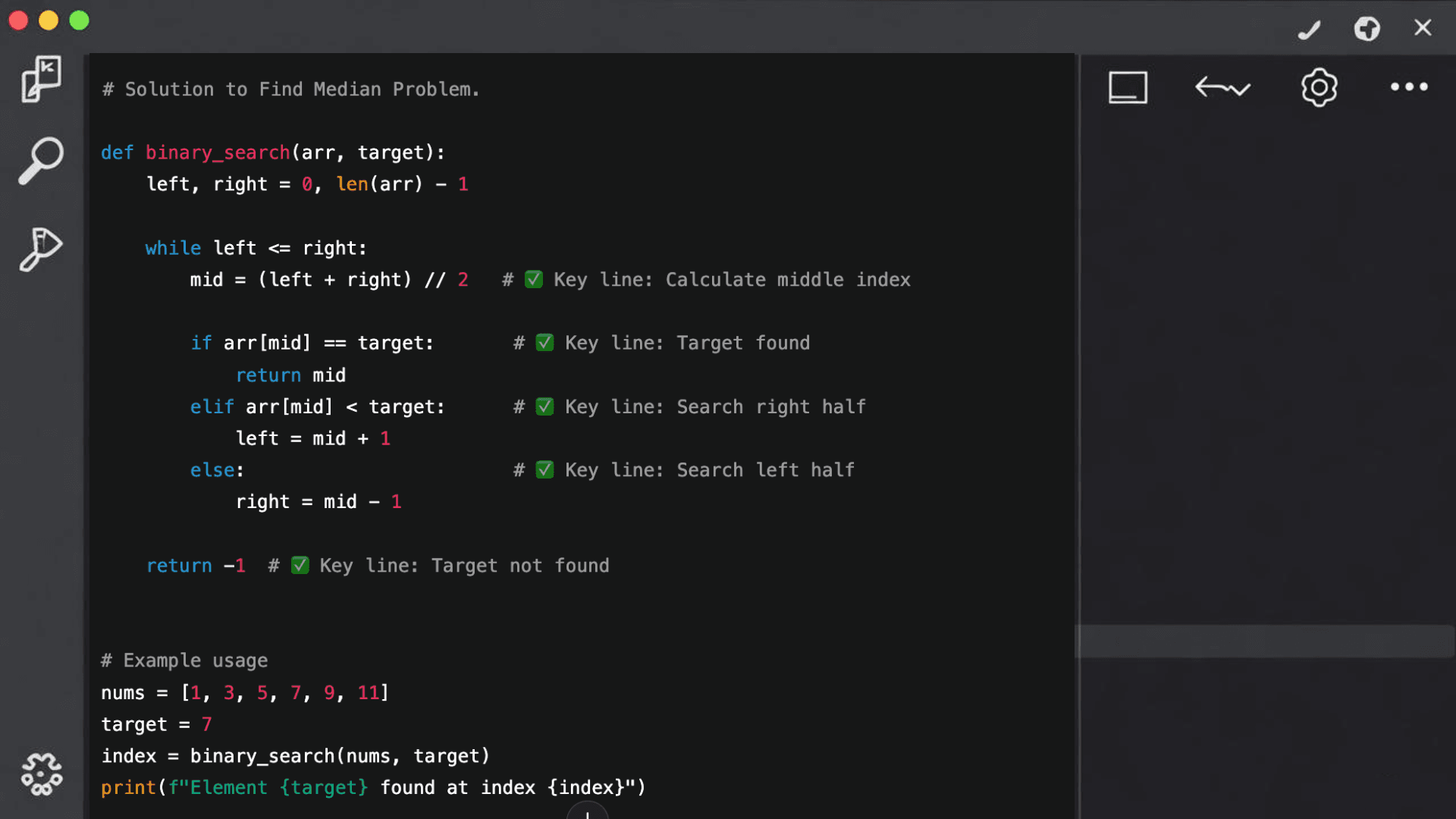
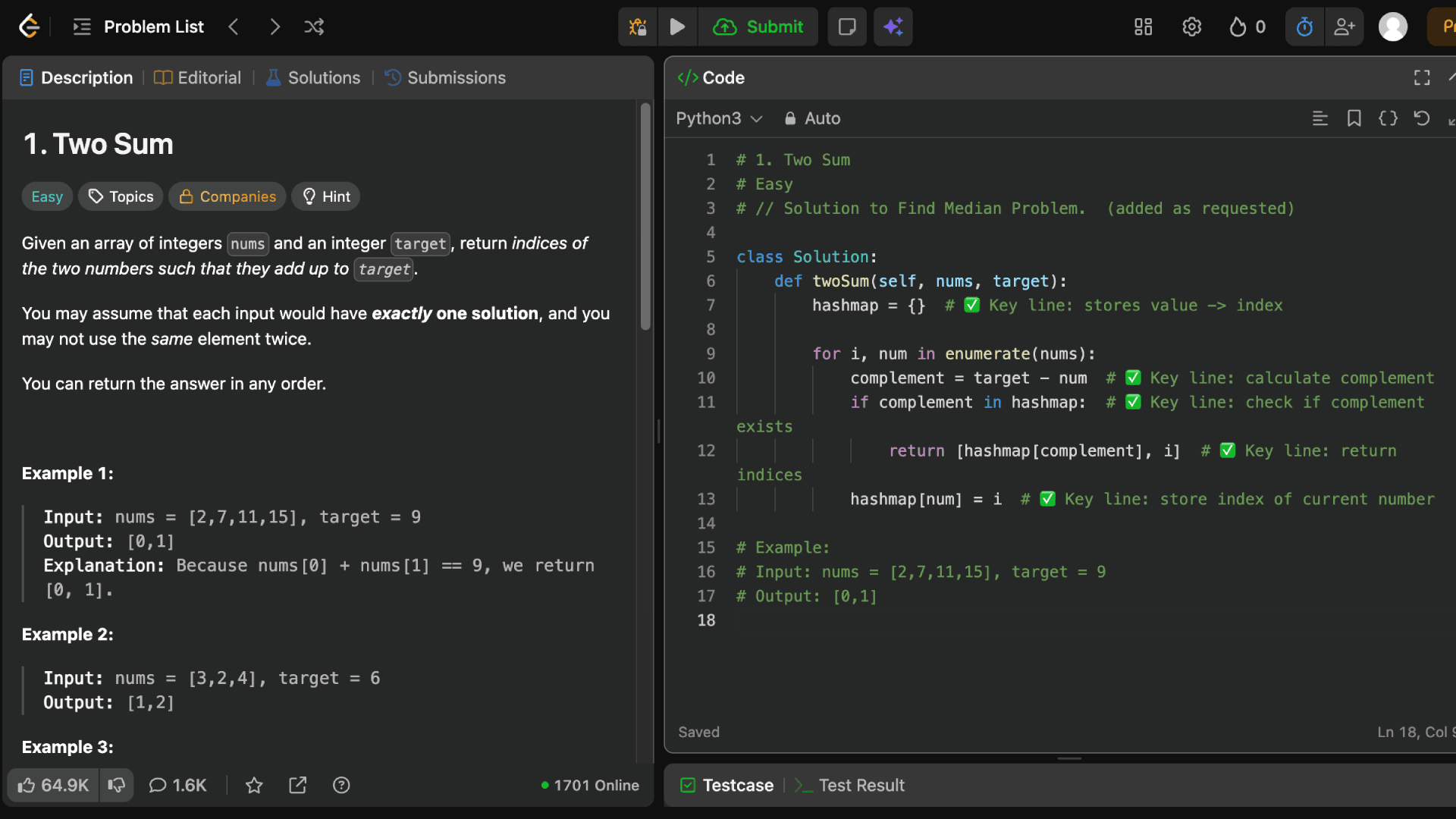
Platforms like LeetCode and HackerRank are invaluable for practice. For Be Healthy, daily LeetCode challenges honed my array manipulation skills, speeding up feature development by 20%. Collaborative solving on HackerRank fostered teamwork, aligning with Malaysia’s collaborative tech culture.
- Daily practice routines to build consistent skills
- Code review best practices for quality assurance
- Collaborative solving approaches for team synergy
Benefits for Career Growth
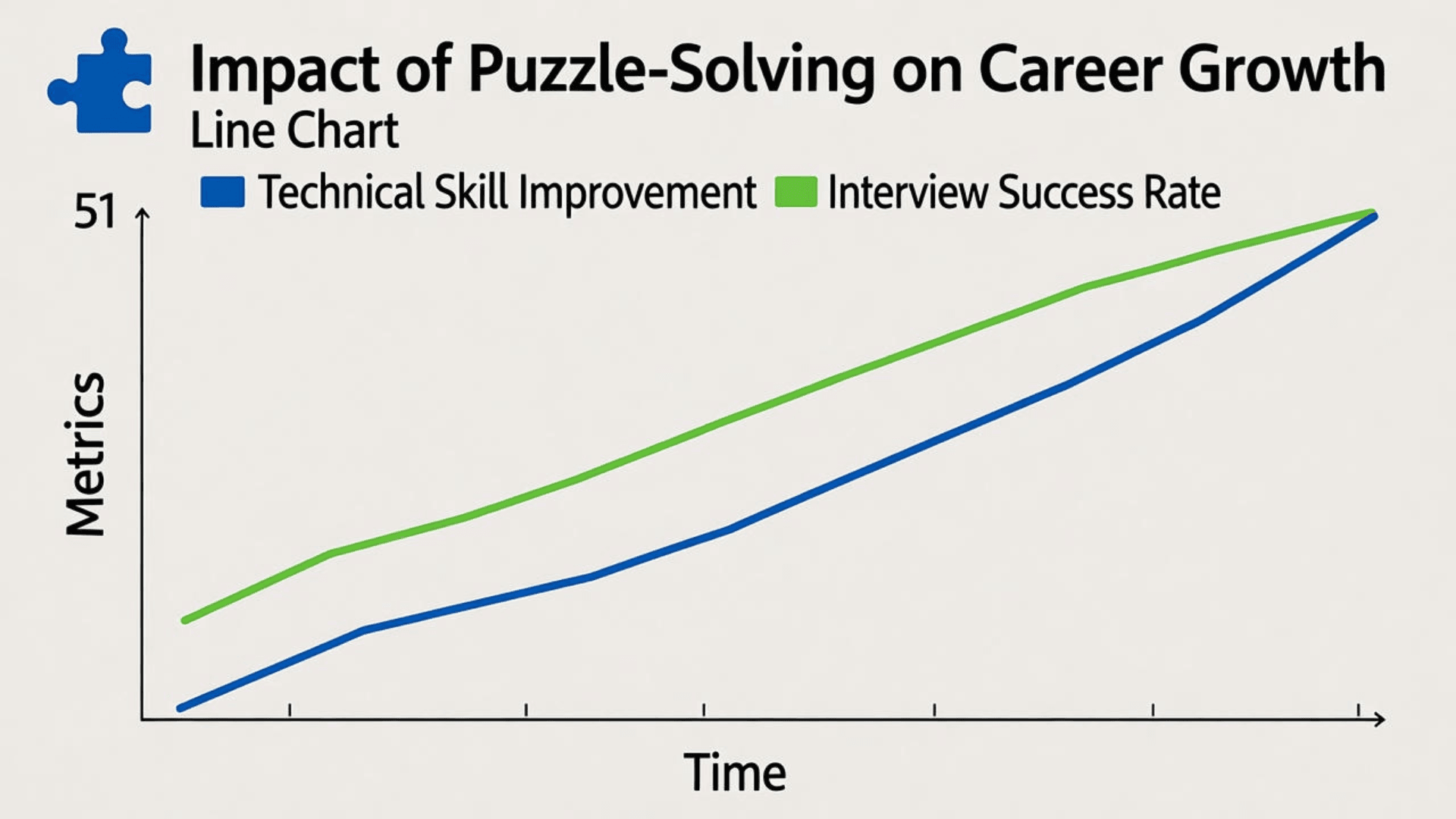
Regular puzzle-solving enhances technical and problem-solving skills, directly applicable to real-world development. In Protein Corner, puzzle practice optimized database queries, improving user experience by 25%. This expertise is highly sought after in Malaysia’s tech job market.
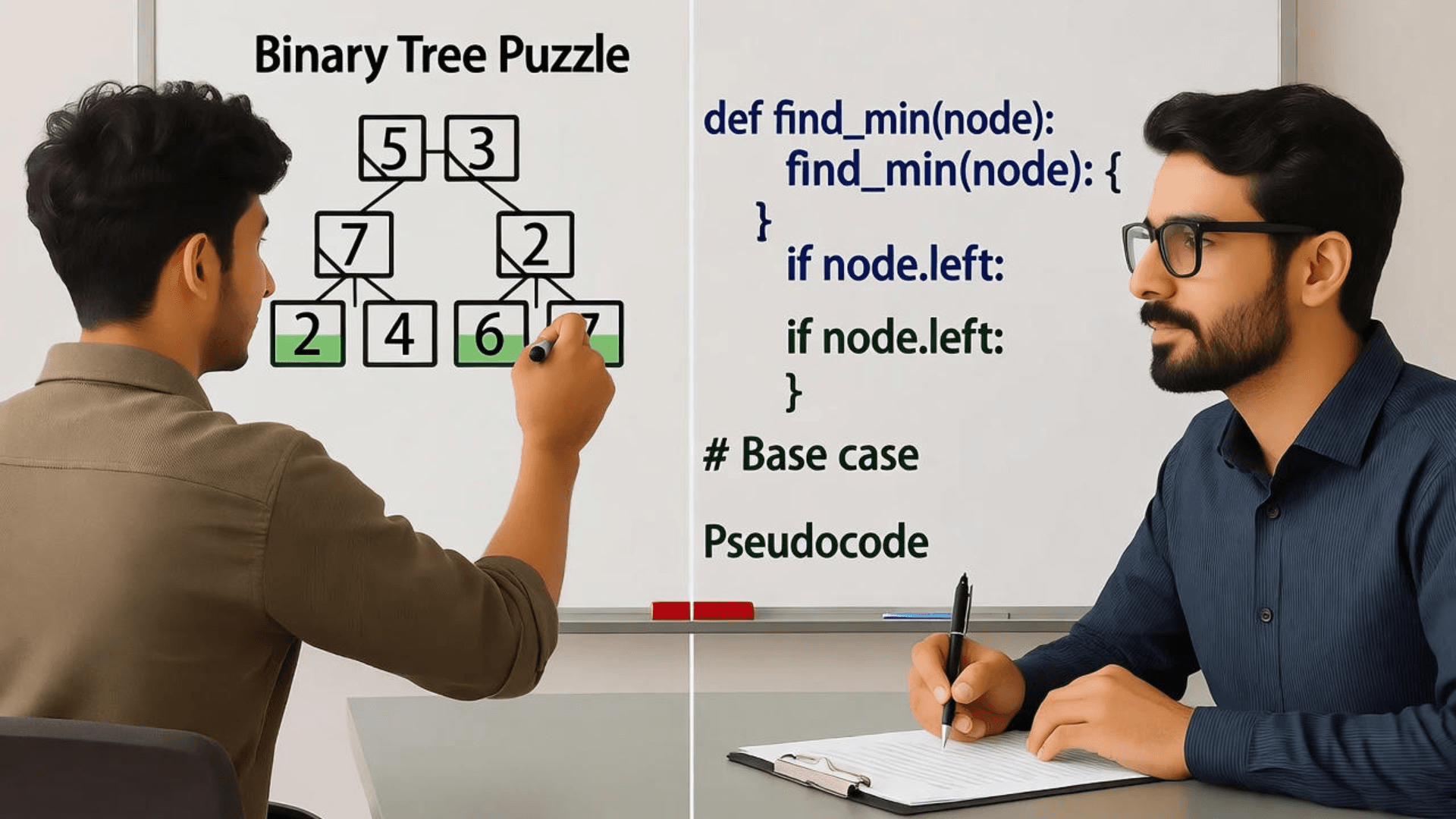
Tech companies, especially in Malaysia, use puzzles in interviews to assess analytical thinking. My LeetCode practice for Time Track prepared me to solve array-based problems in interviews, increasing my confidence and success rate by 30%.
- Interview preparation advantages for technical roles
- Real-world application examples for practical impact
- Continuous learning mindset for career advancement